Bioregulators
Bioregulators
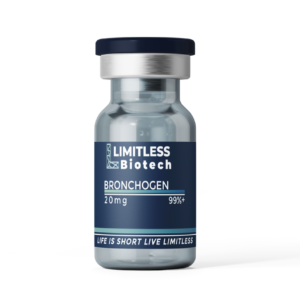
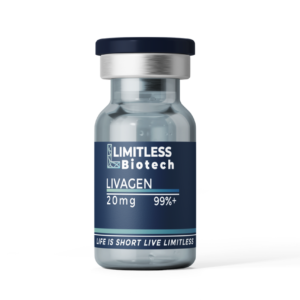
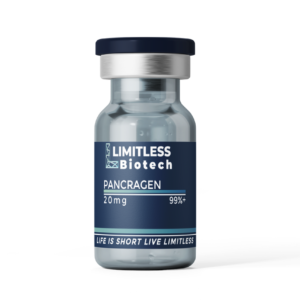
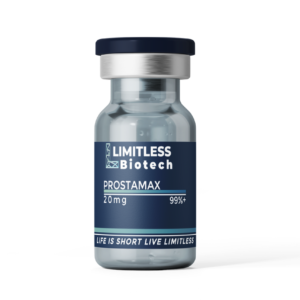
Bioregulators are short peptide compounds that support cellular function and biological balance within the body. These molecules consist of amino acid chains that interact with DNA and cellular receptors to influence gene expression and protein synthesis. Researchers and healthcare professionals explore bioregulators for their potential role in regulating physiological processes and supporting organ function.
Bioregulators target specific tissues such as the brain, liver, heart, immune system, and endocrine glands. Each peptide carries a unique sequence that directs its activity toward a particular cell type. This targeted approach allows bioregulators to support cellular repair, regeneration, and functional optimization. Scientists study these compounds for their potential to influence aging processes, metabolic activity, and overall system balance.
Laboratories produce bioregulators under controlled conditions to ensure purity and structural accuracy. High-quality synthesis and testing confirm peptide integrity and consistency. Researchers rely on these standards to conduct precise studies and evaluate biological responses. Many formulations come in lyophilized powder or liquid form for controlled application and storage.
Bioregulators play a role in research focused on longevity, cellular health, and performance optimization. Studies examine their ability to support immune response, improve tissue resilience, and maintain physiological stability. Scientists also investigate their interaction with hormonal pathways and intracellular signaling systems.
bioregulators
Storage and handling require attention to environmental conditions. Many bioregulators need refrigeration to maintain stability. Proper reconstitution and dosage accuracy remain essential for maintaining compound integrity during use.
The category continues to expand as scientific interest in peptide-based regulation grows. Bioregulators represent a specialized segment within advanced biochemical research, offering targeted approaches to studying cellular function, regeneration, and biological optimization.
Showing all 5 results