



 Regulate Appetite Signals
These medications act on appetite-control centres within the hypothalamus in the brain, reducing hunger and the neural activity that drives food thoughts, making it easier to focus on balanced meals rather than cravings. Delay Gastric Emptying
By slowing gastric emptying, they help you feel full for longer periods after eating naturally, reducing portion sizes and overall calorie intake. Reduce Cravings And Overeating
The medication supports stable blood sugar levels after meals, preventing sharp spikes and drops that can trigger hunger and sugar cravings. Support Lasting, Healthy Progress
When combined with mindful eating, regular movement, and professional clinical guidance, these treatments can help you build sustainable habits that protect your long-term health.
Obesity and Its Impact
Obesity is a complex health condition characterised by excess body fat. Globally, it affects millions of adults and children, influencing daily function and increasing the risk of serious long-term conditions such as:
- Type 2 diabetes
- Heart disease
- High blood pressure
Other impacts may include:
- Breathlessness
- Fatigue
- Joint pain
- Disrupted sleep
Understanding obesity is the first step toward a healthier lifestyle. With proper medical guidance, small, safe steps can lead to long-term improvements in health and overall well-being.
Causes of Weight Gain
Unhealthy Diet
Consuming more calories than the body needs, especially from processed foods, sugary drinks, fried items, and alcohol, contributes to weight gain. Nutritional needs differ based on age, sex, weight, and overall health.
Medical Conditions
Certain medical conditions may influence metabolism, hormones, or energy balance, including:
- Hypothyroidism
- Diabetes (Type 1 & 2)
- Depression
- Insomnia
- Prader-Willi syndrome
Sedentary Lifestyle
Spending long periods sitting or inactive can cause unused calories to be stored as fat. Incorporating movement such as walking, stretching, stairs, or light exercise supports metabolism and sustainable weight control.
Hormonal and Prescription Medications
Some medications may cause weight gain by affecting appetite or fat storage. Examples include:
- Hormonal contraceptives
- Corticosteroids
- Antidepressants
- Antipsychotics
- Antiepileptics
Identifying these causes helps create realistic, safe strategies for weight management.
When Should You Consider Losing Weight?
Weight loss may be necessary if excess weight affects your health, mobility, or confidence. Body Mass Index (BMI) is often used to assess whether your weight is within a healthy range:
- BMI ≥ 30 — Obesity
- BMI ≥ 27 with weight-related health conditions — Consider weight loss
BMI is a starting point for understanding weight, not a diagnosis.
How to Lose Weight Safely
Safe weight loss is gradual and sustainable. Strategies include:
- Balanced meals and portion control
- Regular physical activity
- Adequate sleep
- Stress management
In some cases, lifestyle changes alone may not be enough. Medical support, including prescription weight loss treatments, may complement diet and exercise.
Lifestyle Changes for Long-Term Success
- Choose nutrient-rich foods
- Stay active in ways you enjoy
- Stay hydrated
- Limit sugary and processed foods
- Build achievable daily routines: walking, good sleep, listening to hunger cues
Consistency and sustainable habits are more important than perfection for lasting results.
Weight Loss Treatments
Medical treatments support healthy habits. They can regulate appetite, improve how the body uses insulin, and help maintain weight loss when combined with professional supervision.
Prescription Medications
- Mounjaro (tirzepatide) – Dual GLP-1 & GIP agonist
- Wegovy (semaglutide) – Single GLP-1 agonist
- Saxenda (liraglutide) – Single GLP-1 agonist (less widely available)
These treatments are self-injectable and designed to complement diet and exercise under clinical guidance.
| Medication | Manufacturer | Agonist | Target Hormone | Dose | Efficacy |
|---|---|---|---|---|---|
| Mounjaro | Eli Lilly | Dual | GLP-1 & GIP | Weekly | ~15–20% weight loss |
| Wegovy | Novo Nordisk | Single | GLP-1 | Weekly | Up to ~15% weight loss |
| Saxenda | Novo Nordisk | Single | GLP-1 | Daily | Up to ~10% weight loss |
How Weight Loss Injections Work
GLP-1 medications mimic a natural hormone that regulates appetite and blood sugar. They:
- Slow stomach emptying → feel fuller longer
- Reduce food intake
- Improve insulin use → better energy balance
Administration: Weekly (Mounjaro, Wegovy) or daily (Saxenda) depending on the prescription.
Eligibility
- BMI ≥ 30, or ≥ 27 with weight-related health conditions
- Not suitable during pregnancy, breastfeeding, or planned pregnancy
- Determined via online or in-person consultation with licensed clinicians
Weight Loss Injections vs Pills
- Injections (GLP-1): Regulate appetite, reduce hunger, support higher BMI patients
- Oral medications: Target metabolism or nutrient absorption, may suit mild or short-term needs
All treatments should complement healthy diet, regular activity, and lifestyle changes.
Side Effects
Common: Nausea, stomach discomfort, constipation, diarrhea, headache, fatigue.
Rare: Serious side effects are possible — always follow medical guidance.
Obtaining Treatments
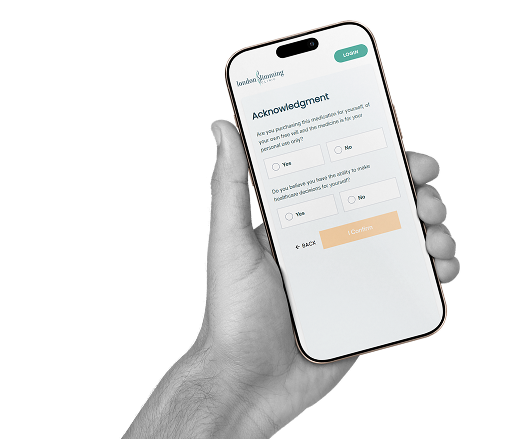
Weight loss treatments should only be obtained through licensed, regulated pharmacies or clinics. The process typically includes:
- Completing an online or in-clinic consultation
- Clinician review of BMI, health history, and medical conditions
- Prescription approval for eligible patients
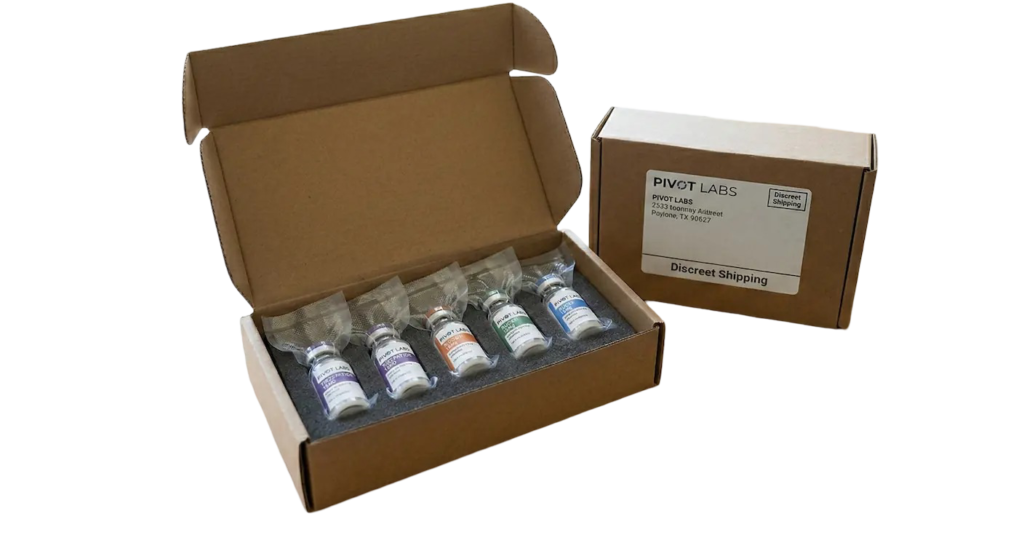
- Safe, discreet delivery or collection of medication
Long-Term Maintenance
Maintaining weight loss requires sustainable lifestyle habits:
- Balanced nutrition
- Regular movement
- Stress management
- Adequate sleep
Focus on consistency, not perfection, and avoid short-term fad diets.
Key Takeaways
- Weight loss is a medical journey, not a quick fix
- Obesity is treatable with proper understanding and guidance
- Prescription treatments support healthy habits under supervision
- Eligibility and treatment plans vary per individual
- Long-term maintenance is essential for lasting results
- Clinically guided support ensures safety and effectiveness